
Markets
Illustrations by Somesh Kumar, from World on the Roof.
Markets
Indian pastoralism has long been a commercial rather than a subsistence enterprise. It hinges on herders’ ability to generate revenues from the sale of animals and animal products such as wool, milk and dung. Pastoralists have also continually adapted their production to changing market opportunities. In the early and mid-twentieth century, for instance, Himalayan pastoralism was closely tied to trade between the low-lying foothills and the Tibetan Plateau. Sheep and goats served as pack animals, each carrying around ten kilograms of salt, tea and other goods for exchange. In parts of peninsular India, pastoralists bred cattle for sale to agricultural communities that needed bullocks to plough their fields and cows for milk. More recently, communities across the country have managed sheep and goat herds in response to growing demand for mutton. Markets can also reshape the relative importance of different pastoral products. In Himachal Pradesh, wool once contributed as much as 40% of household incomes in some pastoral communities; today, it accounts for less than 5% as synthetic fibres have displaced wool in many markets. In parts of the Deccan, meanwhile, the sale of dung is the second-largest source of household revenue after meat. This section examines the market dynamics that shape Indian pastoralism, and the ways in which pastoralists continually adapt their herds, products and livelihoods to changing demand.
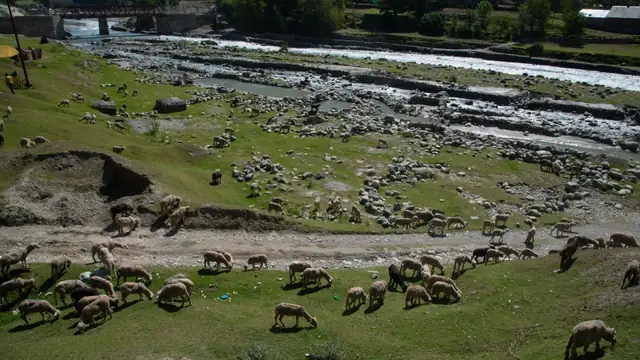 Mountain Pastoral RegionArunachal PradeshComing soon
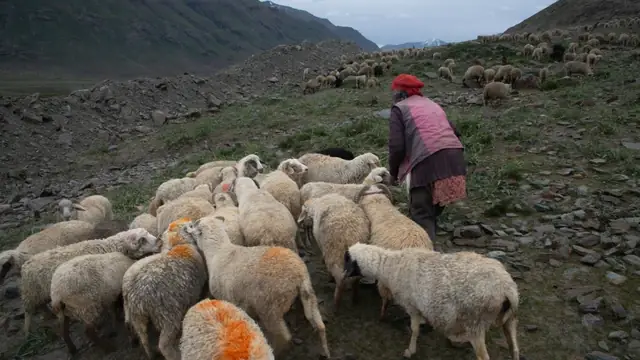 Mountain Pastoral RegionHimachal PradeshComing soon
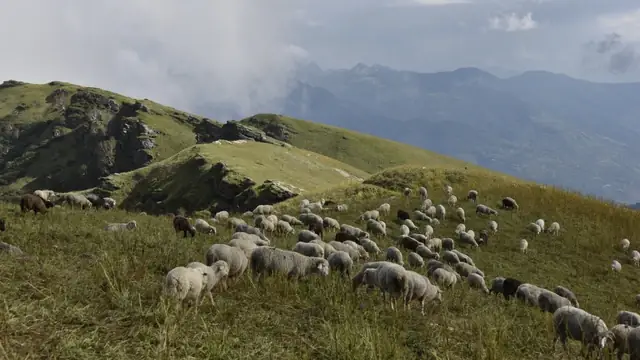 Mountain Pastoral RegionLadakhComing soon